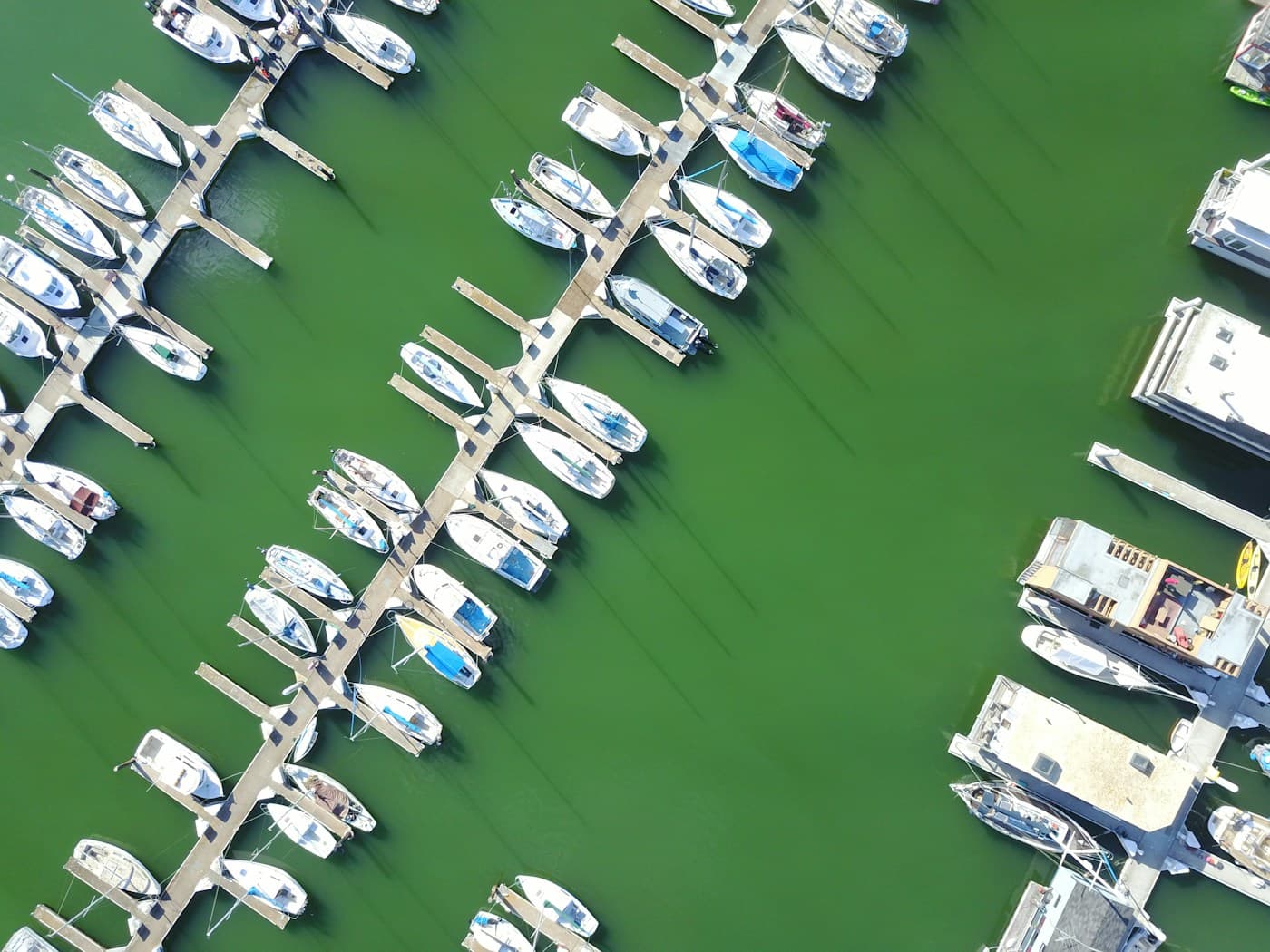
Why Buy a Marina?
Marinas are one of the most compelling asset classes in commercial real estate. They offer recurring revenue through annual slip leases, high tenant retention rates (with 56% of marinas above 95% occupancy), and a permanent supply constraint — it is virtually impossible to get permits to build new marinas in most coastal markets. That combination of predictable income and scarcity-driven pricing power is exactly why institutional investors have poured billions into the sector.
But you don't have to be a private equity firm to own a marina. Thousands of marinas in the United States are still independently owned and operated, and many are quietly available for purchase. Whether you're a boater who wants to turn a passion into a business, a real estate investor looking for diversification, or an entrepreneur seeking a lifestyle-adjacent cash-flow asset, buying a marina can be a rewarding move — if you approach it correctly.
We've watched dozens of first-time buyers navigate this process — some successfully, many not. This guide covers what actually matters, including the mistakes we see repeated over and over.
How to Find Marinas for Sale
Unlike apartment buildings or retail centers, marinas rarely show up on mainstream commercial real estate platforms. The market is relationship-driven and opaque by nature. Here's where to look:
Specialized Brokerages
A handful of commercial real estate brokers specialize in marina transactions. They handle the majority of listed marina sales. Start with firms that have dedicated marina divisions and established track records in waterfront assets.
Off-Market Sourcing
The best marina deals often never hit the open market. Many owners are willing to sell but haven't listed. Strategies for off-market sourcing include:
- Direct outreach to marina owners in your target geography
- Networking at marine industry conferences and trade shows (IMBC, MRA, MRAA)
- Building relationships with marine surveyors, insurance agents, and dock builders who often hear about impending sales before brokers do
- Monitoring our market whispers for early intelligence on upcoming transactions
Deal Flow Platforms
Our marina listings page tracks active marinas for sale across the US, with new listings added weekly. You can also browse our full transaction database to study closed deals and identify patterns in the market.
How to Evaluate a Marina
Once you've identified a target property, the real work begins. Marina evaluation is more nuanced than most commercial real estate because of the water-dependent infrastructure. Here's what to focus on:
Revenue Analysis
Request at least three years of financial statements, including detailed breakdowns of all revenue streams:
- Wet slip rentals: The core revenue driver. Analyze occupancy by month, average rate per linear foot, waitlist depth, and rate history. Compare rates to nearby competitors and to our comparable sales data.
- Dry storage: Indoor rack storage (dry stack) and outdoor trailer storage. Higher margins than wet slips but more operationally intensive.
- Fuel sales: Gasoline and diesel margins vary significantly. Ask for gallons sold per year and cents-per-gallon margin. Fuel can represent 20-40% of total revenue at full-service marinas.
- Service and repair: Boatyard operations, mechanical repair, bottom painting, haul-outs. High-margin if well-managed but requires skilled labor.
- Ancillary: Ship store, restaurant/bar leases, laundry, pump-out fees, liveaboard premiums, winter storage, transient/visiting boat fees.
Understanding Valuation
Marinas are valued using three primary methods: income approach (cap rate), comparable sales (price per slip), and replacement cost. For a detailed breakdown of each method, read our comprehensive valuation guide.
In brief: multiply net operating income by an appropriate cap rate (typically 6-10% depending on location and quality), then cross-reference with price-per-slip benchmarks from comparable transactions. Our valuation tool makes this comparison easy.
Physical Infrastructure
Marina infrastructure is expensive to maintain and replace. Get a professional marine survey that covers:
- Docks and pilings: Wood, aluminum, or concrete floating docks? What's their age and remaining useful life? Dock replacement costs $5K-$15K per slip.
- Seawalls and bulkheads: Steel sheet pile, vinyl, concrete, or riprap? Seawall failure is one of the most expensive capital expenditures a marina faces — $1,000-$3,000 per linear foot to replace.
- Electrical systems: Are pedestals up to current NEC/NFPA codes? 30A and 50A service for recreational boats, 100A+ for large vessels?
- Water depth: Navigation channel and basin depths. Dredging needs can be a deal-killer — costs $25-$75 per cubic yard and permits take years.
- Fuel systems: Underground or aboveground tanks? Age, compliance status, leak detection systems?
Key Steps in the Buying Process
Step 1: Define Your Criteria
Before you start looking, get clear on what you want: geography, size (number of slips), price range, and whether you want to operate the marina yourself or hire management. This focus will save you months of wasted effort looking at properties that don't fit.
Step 2: Build Your Team
Marina acquisitions require specialized expertise. At minimum, you'll need:
- A commercial real estate attorney with waterfront/maritime experience
- A marine surveyor or engineer for physical due diligence
- An environmental consultant (Phase I and potentially Phase II assessments)
- A CPA with experience in marina or hospitality financials
- A commercial lender or SBA-approved bank (see our marina financing guide)
Step 3: Submit a Letter of Intent (LOI)
Once you've identified a target and done preliminary financial analysis, submit an LOI outlining your offer price, proposed deal structure, due diligence period, financing contingency, and timeline to close. Most marina LOIs include a 60-90 day due diligence period and a 30-60 day financing contingency.
Step 4: Due Diligence
This is where deals are made or broken. You'll review financials, inspect infrastructure, assess environmental risk, verify permits and leases, and confirm waterway conditions. For the complete checklist, read our marina due diligence guide.
Step 5: Secure Financing
Most first-time marina buyers use SBA 504 or 7(a) loans, which offer favorable terms for owner-operators. Conventional commercial loans are also available but typically require 25-35% down. Full details in our financing guide.
Step 6: Close and Transition
Closing a marina sale is more complex than a standard commercial property. Key transition items include: transferring slip leases and tenant relationships, fuel supplier contracts, insurance policies, Coast Guard and Army Corps permits, state submerged land leases, and employee transitions. Plan for a 30-60 day overlap period with the seller for knowledge transfer.
How to Structure a Marina Deal
Deal structure matters as much as price. Here are the most common approaches:
- All-cash: Strongest position for negotiating price discounts. Rare for first-time buyers but common in institutional transactions.
- SBA loan + equity: The most common structure for first-time buyers. SBA 504 loans can cover up to 90% of the total project cost for owner-occupied properties.
- Seller financing: Many family-owned marina sellers will carry a note for a portion of the purchase price, especially if it provides tax advantages. A typical structure: 65-70% bank loan, 10-15% seller note, 15-25% buyer equity.
- Partnership: Bringing in a capital partner or operating partner can make larger deals accessible. Define roles, responsibilities, and exit provisions clearly from the start.
Common Mistakes First-Time Buyers Make
1. Underestimating Capital Expenditure Needs
This is the one that kills deals. We see it constantly — a buyer falls in love with a waterfront property, pencils out the NOI, and completely ignores the $2M seawall rebuild lurking below the waterline. Docks, seawalls, fuel systems, and dredging can easily require $1M-$5M in capital investment at a mid-size facility. Always include a capital reserve in your financial projections.
2. Ignoring Environmental Risk
Marinas with fuel operations, boatyards, or legacy industrial use can carry significant environmental liability. A Phase I Environmental Site Assessment is the bare minimum. If it flags concerns, a Phase II with soil and groundwater sampling is essential before closing. Cleanup costs can exceed the property value.
3. Overpaying Based on Pro Forma Revenue
Sellers and brokers often present pro forma financials showing what the marina "could" earn with rate increases and full occupancy. Value the marina on actual trailing income, not projections. If there's genuine upside, price it as a discount to the pro forma value — not at it.
4. Skipping the Permit and Lease Review
Many marinas operate on state submerged land leases with specific terms and renewal conditions. Others hold Army Corps of Engineers permits with use restrictions. Failing to review these documents can leave you with a property you can't operate as planned.
5. Neglecting the Human Side
Marina tenants are loyal — to the previous owner. Slip holders at family-run marinas often have deep relationships with ownership built over decades. A botched transition can trigger departures, negative reviews, and lost revenue. Invest time in tenant relations from day one.
Get Started
The best way to prepare for your first marina acquisition is to study the market. Browse our active listings to see what's available, review our transaction database to understand pricing, and use the valuation tool to benchmark deals.
Have a marina to sell, or a deal tip to share? Submit it here.
We publish new deals, listings, and market intel every Tuesday and Thursday. Subscribe free to stay ahead of the market.